Travel Anxiety Tips
Discover effective travel anxiety tips to stay calm and confident, and learn how AXA Travel Insurance supports your journey every step of the way.
Travel Anxiety Tips to Help You Manage Stress Before and During Your Trip
- Travel anxiety arises from both physical stress responses and emotional triggers linked to unfamiliar or challenging travel situations.
- Identifying personal anxiety triggers allows you to prepare and apply targeted coping techniques like deep breathing and relaxation exercises.
- Building long-term resilience involves gradual exposure to travel, journaling experiences, and seeking mental health support when needed.
Travel opens the door to exciting opportunities, but for many, it also brings stress and uneasiness. If you’ve ever felt nervous before boarding a plane or unsettled in an unfamiliar place, you may be experiencing travel anxiety. These feelings are common and can affect both first-time travelers and seasoned adventurers. Knowing the right travel anxiety tips can help reduce stress and make your journey more manageable.
In this guide, you’ll find practical strategies to ease pre-travel stress and manage anxiety during your trip. These tips are designed to help you feel more prepared, stay grounded, and travel with greater confidence, even when unexpected challenges come up.
What is Travel Anxiety
Travel anxiety is a form of stress that appears before or during travel, causing discomfort that goes beyond typical nervousness. It can stem from underlying mental health conditions such as anxiety disorders, panic disorder, or generalized anxiety disorder. When your brain senses potential threats, real or imagined, it triggers physical symptoms like a racing heart, sweating, or difficulty breathing. This response is part of your nervous system’s natural fight-or-flight mechanism.
The unfamiliar environments and changes that come with travel can increase anxiety levels. New routines, unexpected delays, or unfamiliar surroundings can cause the body to respond with heightened stress. Recognizing these symptoms and understanding why they happen is the first step toward managing travel anxiety effectively.
Common Travel Anxiety Triggers
Travel anxiety often builds from specific triggers that affect your mind and body. Understanding these triggers helps you recognize what sets off your anxiety, so you can better prepare. Common triggers include:
- Fear of Losing Control: Feeling uneasy about situations where you can’t predict or influence outcomes, like flight delays or changes in plans.
- Unfamiliar Environments: New cities, airports, or accommodations can cause discomfort because they take you out of your comfort zone.
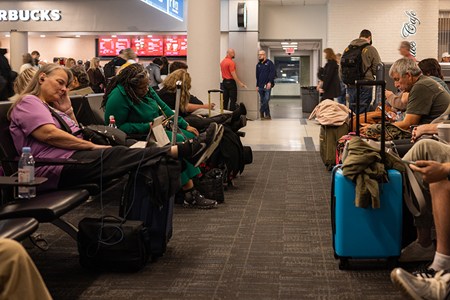
- Crowds and Noise: Busy terminals, crowded transportation, or loud surroundings can overwhelm your nervous system.
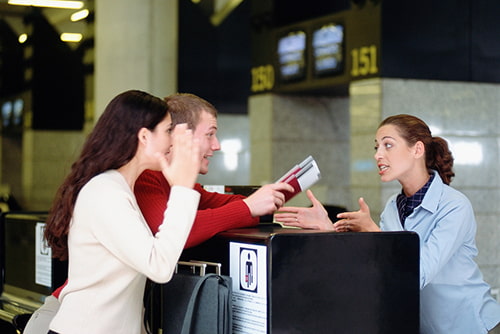
- Security Procedures: Strict checks and the uncertainty around what to expect can heighten stress levels.
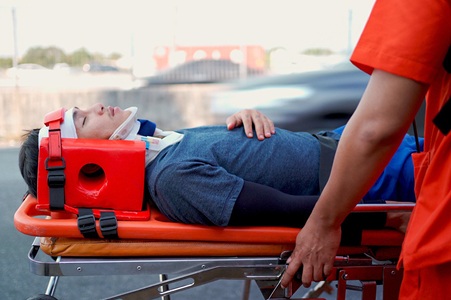
- Fear of Flying or Vehicle Accidents: Past negative experiences or a general fear can intensify anxiety during transit.
- Packing and Preparation Stress: Worrying about forgetting essentials or managing logistics adds pressure before the trip even begins.
- Health Concerns: Anxiety about getting sick or dealing with physical symptoms while away from familiar care.
- Social Situations: Interacting with unfamiliar people or feeling isolated while traveling can trigger anxious thoughts.
By identifying which of these triggers affect you, it becomes easier to develop coping techniques that target your unique challenges.
Practical Travel Anxiety Tips to Help You Stay Calm
Taking proactive steps before your trip can ease pre-travel anxiety and help you stay calm throughout your journey. Here are some focused strategies:
Create a Detailed Packing List
Preparing a packing list ensures you don’t forget essential items, reducing last-minute stress. Include comfort items like headphones, a favorite book, or anything that helps you relax. Having everything ready well in advance gives you a sense of control and lowers anxiety.
Plan Quiet Activities for Your Trip
Incorporate moments of calm by planning quiet activities such as reading, journaling, or listening to calming music. These breaks provide space to reset your mind and manage stress when the trip gets overwhelming.
Practice Relaxation Techniques Daily
Building coping skills through relaxation techniques can reduce anxiety symptoms. Try deep breathing exercises or progressive muscle relaxation before and during your trip. These practices calm the nervous system and help you stay grounded.
Avoid Alcohol and Stay Hydrated
Alcohol can increase anxiety and disrupt sleep quality, making it harder to stay calm. Opt for water and healthy snacks to keep your body and mind in balance during travel.
Use Deep Breathing and Grounding Techniques
When anxiety strikes, take slow, deep breaths to calm your nervous system. Focus on grounding exercises, such as noticing five things you can see, four you can touch, three you can hear, two you can smell, and one you can taste. These methods redirect your attention away from anxious thoughts.
Overcoming Travel Anxiety in the Long-Term
Travel anxiety doesn’t have to hold you back. Building resilience helps you face travel challenges with more confidence. Here are key ways to strengthen your coping skills over time:
- Practice Coping Techniques Regularly: Use deep breathing, mindfulness, and relaxation exercises daily to train your nervous system to stay calm under stress.
- Journal Your Travel Experiences: Writing about your trips helps identify anxiety triggers and track your progress in managing them.
- Seek Support from Mental Health Professionals: Therapy or treatment can provide personalized tools, especially if anxiety disorders or panic attacks affect your daily life.
- Gradually Expose Yourself to Travel: Start with short trips or familiar places to expand your comfort zone and build confidence for bigger journeys.
Combining these strategies helps you approach travel with greater ease and enjoy the opportunities it offers.
Final Word
Travel anxiety often feels like an internal battle between your desire to explore and your body’s stress response. Recognizing this tension allows you to shift from feeling powerless to taking actionable steps that work for you. Remember, travel isn’t about perfection, it’s about progress. Each trip, even with anxiety, is a chance to grow beyond your comfort zone.
FAQs About Travel Anxiety
1. Can travel anxiety trigger physical health problems?
Intense travel anxiety can cause symptoms like rapid heartbeat, nausea, headaches, and muscle tension. These physical reactions are part of the body’s natural stress response, but can be uncomfortable and sometimes alarming.
2. How do I know if my travel anxiety is part of a larger mental health condition?
If anxiety occurs frequently, affects your daily activities, or includes panic attacks beyond travel situations, it could be linked to disorders like generalized anxiety disorder or panic disorder. Consulting a mental health professional can clarify diagnosis and treatment.
3. Is it safe to use medication for travel anxiety?
Some people benefit from medications prescribed by doctors for managing severe anxiety, especially during travel. It’s important to consult your healthcare provider to discuss risks, benefits, and proper usage before your trip.
4. Can gradual exposure to travel reduce anxiety?
Starting with short or familiar trips can help train your brain to feel more comfortable over time. Each successful trip builds confidence and expands your comfort zone.

Travel Assistance Wherever, Whenever
Speak with one of our licensed representatives or our 24/7 multilingual insurance advisors to find the coverage you need for your next trip. Contact Here